My AI research pipeline rejected my thesis. Twice.
I fed it my argument: Trump's Greenland gambit at Davos 2026 confirms European vassalage. Not his retreat—the fact that he did it at all. That he felt comfortable publicly demanding a NATO ally's territory while European leaders scrambled to schedule calls and fly to Mar-a-Lago to talk him out of something he was never going to do anyway.
Europe has only two options—align with America or align with China. Their structural fragmentation prevents them from building the AI, compute, and robotics systems that will define this century. They won't cede military production to a central authority, much less unified command.
The pipeline came back hard. European pension funds coordinated a $100 billion Treasury selloff. The $8 trillion in European holdings creates mutual leverage, not one-way dependence. Coalition governments showed institutional strength under pressure. Prediction markets never believed Trump would succeed.
Score: Vassalage thesis rejected. Twice.
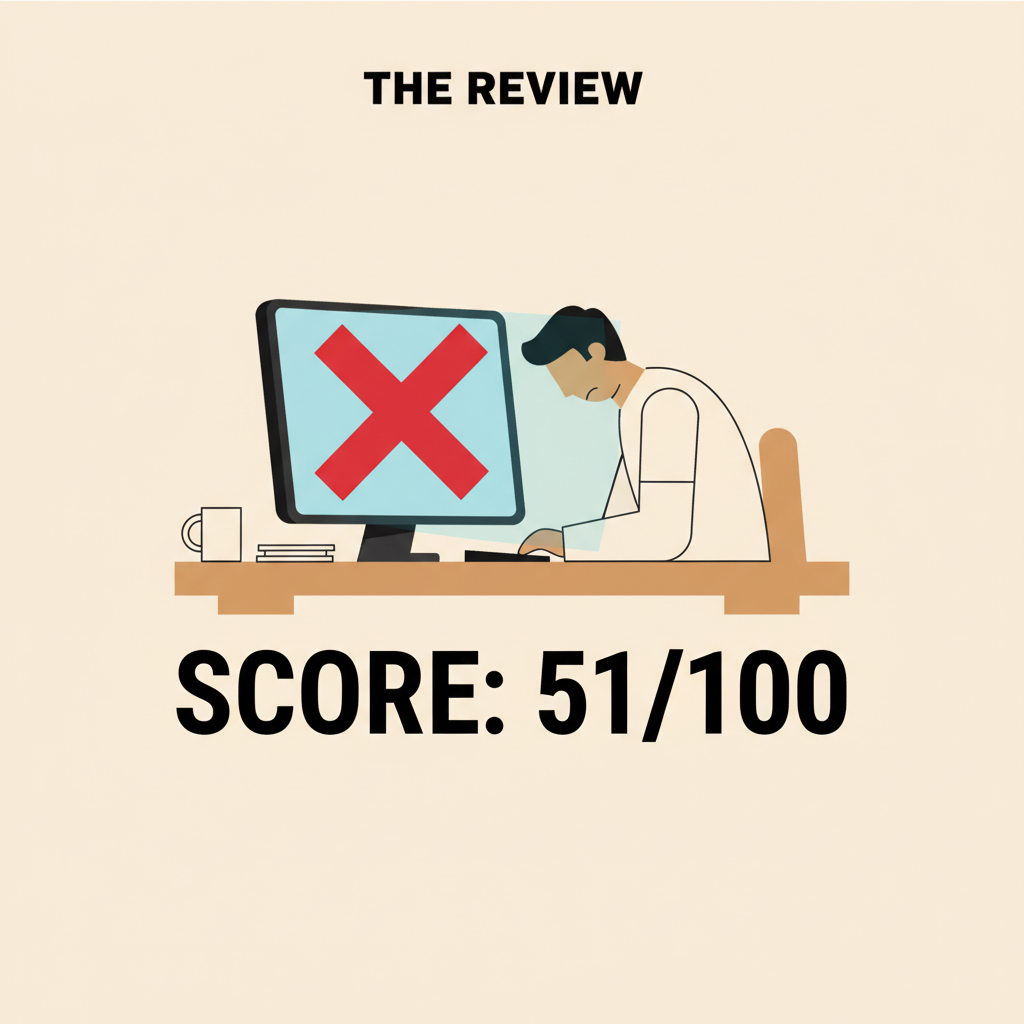
I'm publishing this disagreement because intellectual honesty requires it. But I'm also going to tell you why my AI is measuring power with the wrong ruler.
The Case Against Me
Give the bear case its due. The research found real ammunition.
European pension funds executed sophisticated financial statecraft during the Greenland crisis. Denmark's pension funds dumped billions in Treasuries. The selloff was coordinated, calibrated, and effective—large enough to impose costs, small enough to maintain plausible deniability.
Trump backed down. The "Arctic Security Framework" was face-saving language for failure. Prediction markets held steady at 20-23% odds throughout his "maximum pressure" campaign. The smart money never believed him.
All 32 NATO allies met the 2% defense spending target for the first time in alliance history. European AI spending grew 25% in 2026. The trajectory points toward strategic autonomy, not submission.
My pipeline concluded: "Europe demonstrated financial statecraft as a constraint on American power." It scored the vassalage thesis at 51/100 for intellectual honesty.
Here's why I think it's wrong.
Trump Knew He Wasn't Getting Greenland
Let's start with what everyone missed: Trump knew he was never going to get Greenland.
He doesn't have support in Congress. He has 75% domestic opposition. The acquisition was never a realistic policy goal. It was theater.
So what was the point? "He was just using it as a way to frighten them into spending money more on defense and getting serious about NATO not being around if they don't get their act together."
This is the same playbook he used browbeating Zelensky. Create a crisis, extract concessions, move on. The fact that Europe "stood up" to him on Greenland is irrelevant—he got what he actually wanted. Defense spending is up. NATO allies are scared. European leaders are scrambling.
He's used to provoking these guys. The casual contempt was the tell.
The Structural Impossibility
Here's what my pipeline weighted too lightly: Europe's structural inability to compete.
It isn't because Europeans are bad. It's because they don't have integrated political power. Most EU member presidents are running minority governments and coalitions. That's bad enough—at least they have some authority. But the EU itself can't do anything. No leader can actually lead it and get it to take its role in the world.
As a result? Structurally, it can't compete against the U.S. and China.
The French have Mistral. Good luck. It's one company. It's pretty minor in the scheme of things. It's not that Europeans aren't smart and can't do AI. It's just that the smart ones leave and come to the United States.
Google now discloses European government fines on its SEC filings because that's basically the way they extract rents from these companies. They don't actually build companies that can compete because they consider themselves the leaders in regulation.
No deep financial markets. No venture capital culture. No innovation ecosystem. Just statist champions protected from competition and regulatory bureaucrats extracting rents from American platforms.
The Empty Threat
My pipeline loved the pension fund selloff. "Financial statecraft!" "Mutual leverage!" "$8 trillion in US assets!"
I'll grant the strongest version of this argument: Europe demonstrated sophisticated financial coordination. The pension fund moves were calibrated, not panicked. Denmark's Alecta, Swedish pension funds, German institutions—they moved in concert without explicit coordination. That's impressive institutional capacity.
And yes, $8 trillion in US asset holdings is real leverage. If Europe truly weaponized those holdings, it would hurt. The Fed could step in, but not without costs. Markets would notice.
Here's why I still think the threat is empty in the end.
Europe can't actually detonate those treasury holdings without destroying itself. They own tons of them. All of their markets, loans, and financial infrastructure are underpinned by the dollar. The weapon is a suicide vest, not a rifle.
The Fed could always step in and take care of temporary disruptions. And Europe—what is Europe? Twenty-seven countries that can coordinate a $100 billion selloff but can't agree on a common corporate tax rate or unified capital markets.
They're stuck. That's the point.
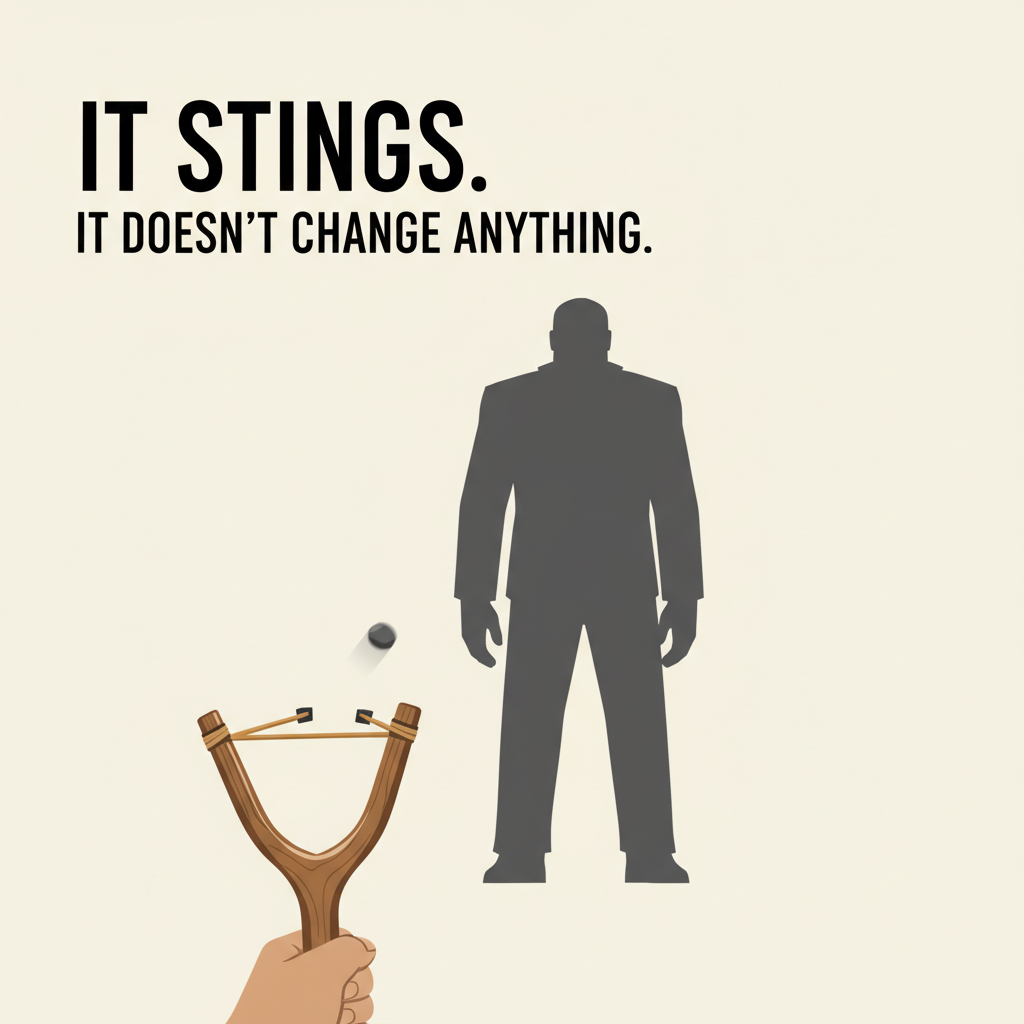
Europe can coordinate temporary financial moves against the United States. But they're never going to be permanent things that alter the balance of power. You can shoot a slingshot at a giant. It stings. It doesn't change the relationship.
The Real Power Signal
While everyone analyzed the diplomatic theater over frozen rocks, the real story was happening elsewhere at Davos.
Anthropic was selling AI contracts to European governments. Not in a side room. Not at a separate event. In the main corridor where the real business happens.
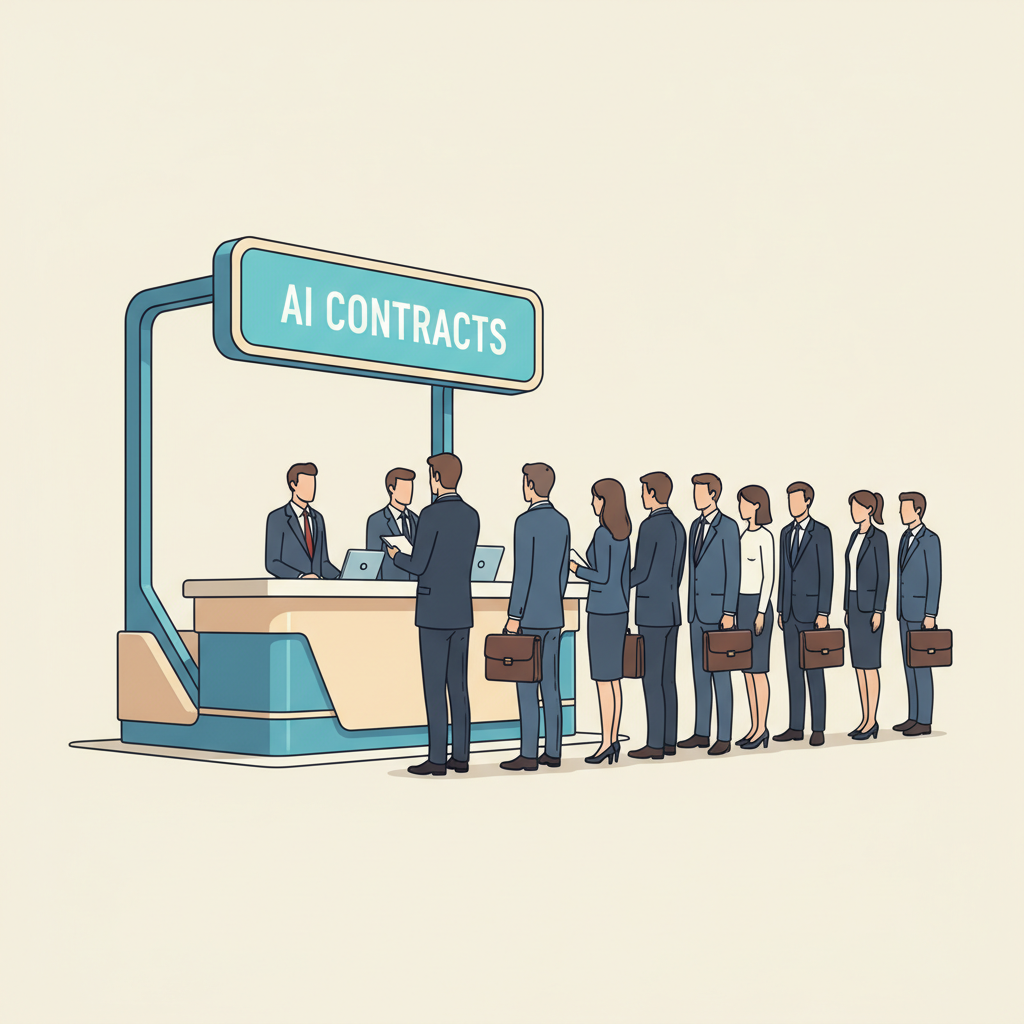
That image stays with me. European ministers lining up to buy American AI capability because they have no alternative. The same governments that just "defeated" Trump on Greenland, purchasing the technology that will determine their economic future from the country they supposedly resisted.
That's the real power signal.
The EU can regulate and tax American tech companies. But regulation isn't production. Europe needs AI to remain competitive. Where else is it going to get it?
I use Claude eight to ten hours a day building my own systems. The productivity gains are real. The dependency is also real. If I'm this dependent on American AI as an individual, imagine an entire continent trying to compete without it.
This is the dependency that matters. Not treasury holdings or defense spending percentages. Europe needs American technology to function in the 21st century. It has no domestic alternative. It won't build one because it structurally can't coordinate the investment required.
The vassalage isn't about Greenland. It's about who builds the systems that run the world.
If They Could, They Would
My pipeline asked: what about Europe playing both sides while building independent capabilities?
My point is that Europe is structurally unable to build joint defense spending, operate their military forces jointly, and unify their capital markets and financial markets. They're just structurally unable to do that. That's the entire point.
If they could, then yes, they would be a competitor. They would play both sides off the other as they built their own.
But they can't. The same coalition fragmentation that produced unified Greenland resistance also produces paralysis on everything else. Capital Markets Union has been "almost complete" for a decade. Defense integration remains a PowerPoint presentation. Industrial policy is whatever Germany and France can agree on that week, which is usually nothing.

What I'm Betting
No European AI company will reach $100 billion valuation by 2028. That's a bet I would take.
European defense spending will increase—whether to 4%, 4.5%, or 5%, I don't know. I just know it'll be higher. And most of that money will flow to American defense contractors.
Europe can coordinate financial moves against the United States, but they're going to be temporary. Never permanent things that alter the balance of power.
What Would Change My Mind
Member countries would have to give up sovereignty to the center.
I'd want to see an EU army commanded by the EU president. It would probably mean kicking out Hungary and other troublemaking members. And a financial markets bill—legislation that united all their financial markets. A genuine European council directing foreign policy rather than individual countries acting alone.
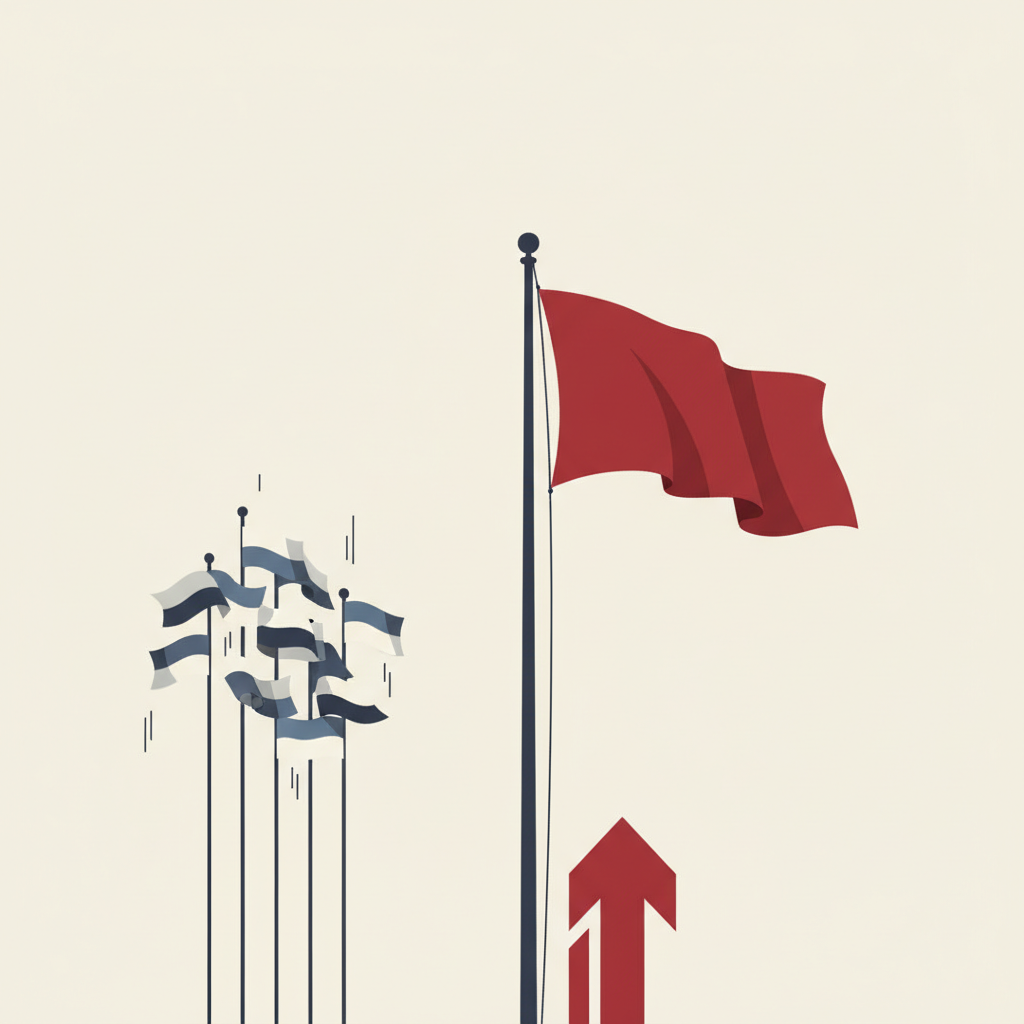
To say that sounds ridiculous is an understatement. That's why I'm confident my AI analysis is wrong.
The same structural features that make Europe unable to compete also make it unable to reform. EU national leaders can get together to say no to some impossible US demand. They cannot implement real policy and decades-long investment programs that would benefit some members more than others.
The Vassalage Remains
Trump's Greenland retreat doesn't prove European strength. It proves Trump got what he actually wanted—higher defense spending, scared allies, and a reminder of who runs the Atlantic alliance.
Europe won a battle over frozen rocks it was always going to keep. America is winning the war for the technologies that determine who inherits the twenty-first century.
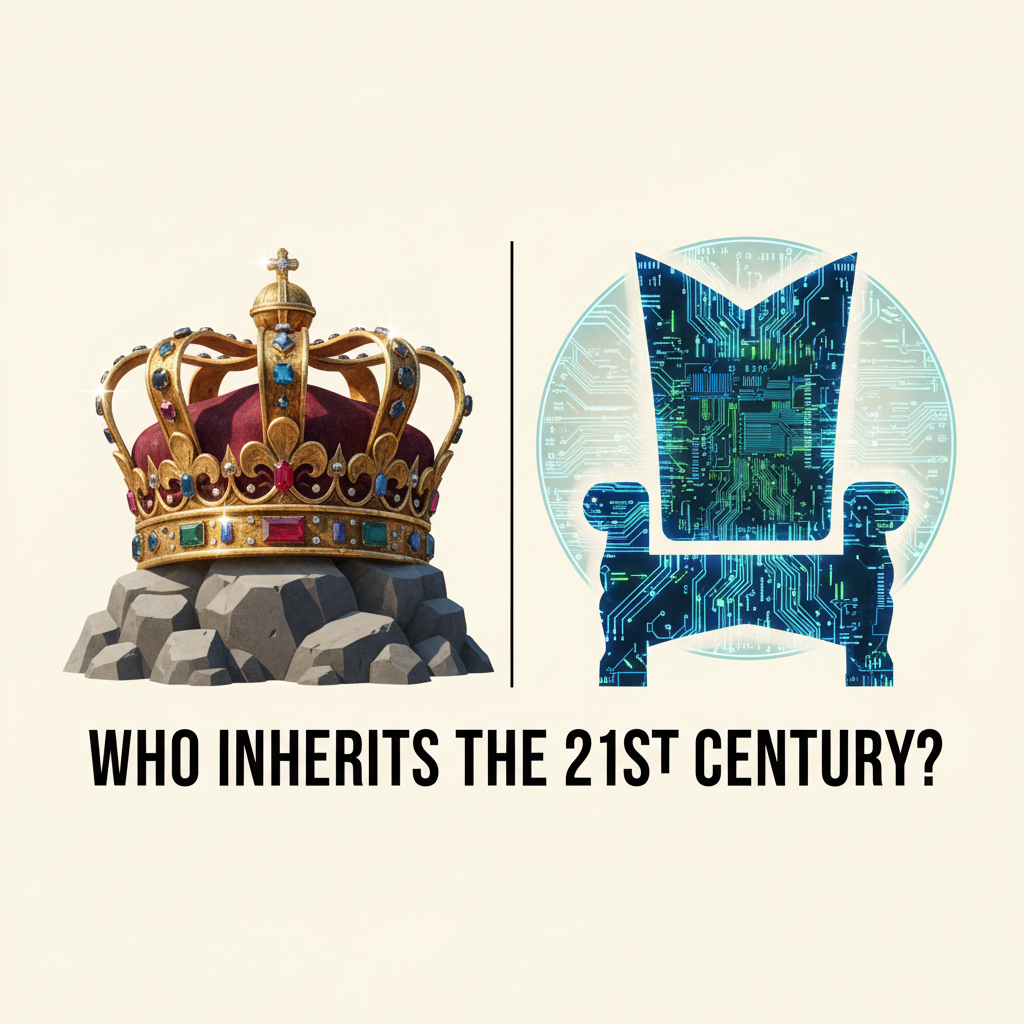
My AI disagreed with this assessment. It found the pension fund coordination impressive. It scored the steelman case at 71/100. It called my position clarity weak.
But pattern recognition requires looking past tactical victories to strategic realities. Europe can resist individual American demands. It cannot build the systems that make resistance unnecessary.
The vassalage thesis stands. The terms are negotiable. The relationship is not.